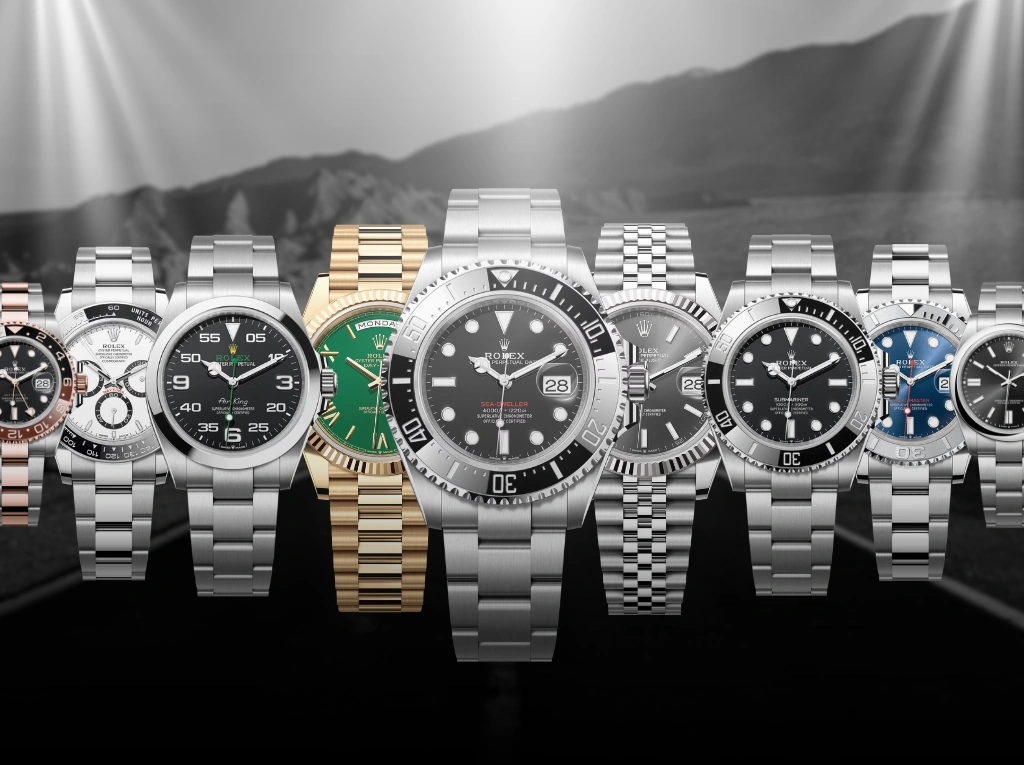
Is a Rolex a good investment? People ask this all the time — usually right before they spend serious money on one. The honest answer isn’t a simple yes or no. Some Rolex references have delivered 100–200% returns over eight years. Others trade below what the original buyer paid. The brand name alone doesn’t protect you. The reference you pick does. Browse our current pre-owned Rolex inventory while you read — seeing real secondary market prices makes this data land differently.
In this guide I’ll walk you through exactly which references hold value, which ones don’t, and how to think about Rolex as an asset in 2026 — based on actual transaction data, not brand mythology.
Is a Rolex a Good Investment in 2026?
Yes — for specific references. The steel Daytona, GMT-Master II Batman and Pepsi, and Submariner Date have sustained secondary market premiums well above retail for over a decade. The standard Datejust, Oyster Perpetual, and most dress references have not.
What separates the two groups isn’t craftsmanship or prestige — both categories are excellent watches. What separates them is availability. When an authorised dealer can supply a watch today, there’s no secondary market premium. When they can’t — because a five-year waitlist stands between the buyer and the watch — the secondary market fills the gap at a premium. That’s the entire mechanism.
Rolex maintains this supply imbalance deliberately. The company produces well under demand for specific sport references. The result is a structural investment case that’s been consistent for thirty years. So when buyers ask whether is a Rolex a good investment, the most accurate answer is: it depends entirely on which Rolex — and that distinction is worth understanding before you commit five figures.
Rolex Investment Performance: Historical Data by Reference
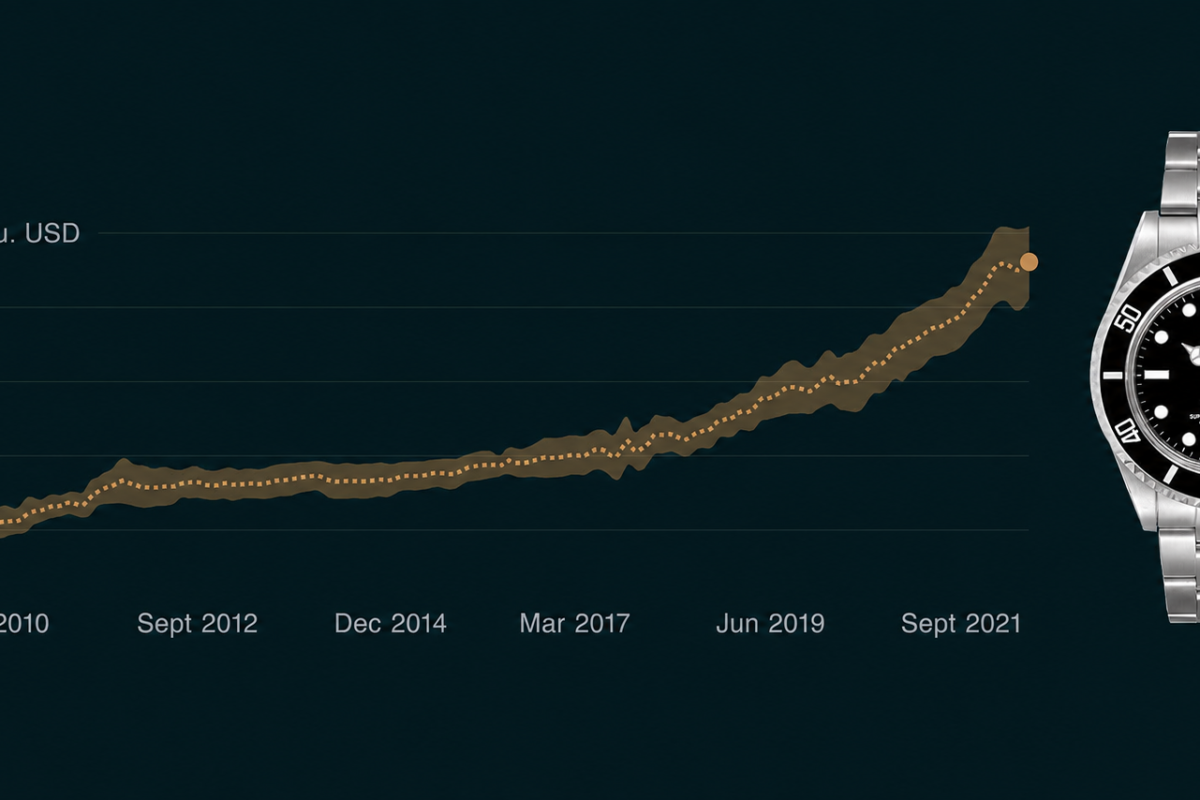
The best way to answer whether is a Rolex a good investment is to look at what the data actually shows — not anecdotes, but real secondary market performance across multiple references and time periods.
| Reference | Approx. Retail (at launch) | 2026 Secondary Market | Return Over Period |
|---|---|---|---|
| Daytona 116500LN (launched 2016) | $12,400 | $28,000–$40,000 | +125–220% over 8 years |
| GMT-Master II Batman 126710BLNR (2019) | $9,700 | $17,000–$24,000 | +75–147% over 5 years |
| GMT-Master II Pepsi 126710BLRO (2018) | $9,700 | $18,000–$27,000 | +85–178% over 6 years |
| Submariner Date 126610LN (2020) | $9,100 | $13,500–$16,500 | +48–81% over 4 years |
| Explorer II Polar 226570 (2021) | $8,550 | $10,500–$12,000 | +23–40% over 3 years |
| Datejust 41 126334 (steel) | $8,100 | $8,000–$9,500 | Flat to marginal |
| Oyster Perpetual 36 (pastel dials) | $5,800 | $6,200–$7,500 | +7–29% (off 2021 peak) |
The pattern is clear: sport references with documented waitlists outperform. Dress and entry-level references track near retail. This table is the honest answer to whether is a Rolex a good investment for most buyers — the reference you choose determines everything.
Which Rolex References Are Good Investments?
Rolex Daytona Steel — Ref. 126500LN and 116500LN
This is the clearest investment case in the Rolex catalogue. A 116500LN bought at retail in 2016 for $12,400 trades today between $28,000 and $40,000 — a 125–220% return in eight years without touching it. The current generation 126500LN launched in 2023 at $16,550 and already trades at $28,000–$40,000 on the secondary market.
The authorised dealer waitlist sits at five-plus years. Rolex produces the steel Daytona in controlled quantities. Demand from collectors and first-time buyers has never softened. That combination has produced a secondary market premium that hasn’t meaningfully dropped in thirty years — not even through the 2022–2023 correction.
GMT-Master II Batman — Ref. 126710BLNR
Launched in 2019 at $9,700 retail. Currently trades at $17,000–$24,000 — a 75–147% premium. The Jubilee bracelet version (nicknamed Batgirl) commands the upper end of that range. Authorised dealer waitlists run three to four years in most markets.
The Batman has held its premium continuously since launch, through a market correction that brought other references down. That consistency signals structural demand, not trend.
GMT-Master II Pepsi — Ref. 126710BLRO
The red and blue Pepsi has seventy years of history behind the bezel colour scheme. It trades at $18,000–$27,000 against a $10,700 retail price. Like the Batman, it has maintained its premium across market cycles. For collectors asking whether is a Rolex a good investment at the GMT level, the Pepsi is the stronger appreciation case of the two blue-bezel variants.
Submariner Date — Ref. 126610LN
The most liquid Rolex on the secondary market. Retail around $10,800 — secondary market $13,500–$16,500. The premium is smaller than the Daytona or GMT, but the Submariner makes up for it in how quickly it sells when you need to move it. It’s the benchmark sport Rolex for a reason — and the most accessible entry point to investment-grade Rolex ownership.
Explorer II Polar — Ref. 226570
The quiet appreciation story on this list. Launched in 2021 at approximately $8,550. Now trades at 20–40% above retail — not dramatic, but consistent. For buyers who want investment upside without paying Daytona premiums, the Explorer II Polar is worth serious consideration.
GMT-Master II Sprite — Ref. 126720VTNR
The left-hand crown Sprite launched in 2022 and immediately attracted significant collector interest. Its left-crown configuration is unique in the current Rolex lineup, creating inherent collector distinction. Secondary market pricing has stabilised at $18,000–$28,000 against an ~$11,000 retail — a strong early premium. Still establishing its long-term floor, but early signals are positive for buyers considering whether is a Rolex a good investment at the GMT price point.
See current prices on investment-grade references: Our available inventory reflects real secondary market pricing — not estimates. Or submit a sourcing request and we’ll find the specific reference you’re after.
Which Rolex Watches Are Not Good Investments
Standard Datejust 41 (Common Configurations)
The most common Rolex on the secondary market trades at or slightly below retail for standard configurations. There’s no waitlist at authorised dealers. Buyers have plenty of options. That means sellers have competition, and pricing power shifts away from them. If you’re buying a standard steel Datejust expecting it to appreciate, you’ll be disappointed.
Exceptions exist: rare dials like meteorite or Wimbledon configurations hold value better. But the bread-and-butter Datejust isn’t an investment. It’s a very good watch at a fair price — just don’t buy it expecting appreciation.
Oyster Perpetual (Standard Colours)
The pastel dial Oyster Perpetuals had a moment in 2020–2021 when they traded at 80–100% above retail. That window is gone. They now trade at 10–20% above retail, if that. Buyers who paid peak secondary market prices haven’t recovered their investment. This is a lesson in the difference between trend-driven premiums and structural scarcity premiums — and exactly why asking “is a Rolex a good investment” without specifying which Rolex produces a misleading answer.
Day-Date (Standard Dials, Yellow Gold)
Beautiful watch. Prestigious. Excellent movement. But it doesn’t carry the scarcity premium that steel sport references do. The precious metal cost is priced in — you’re not getting scarcity value on top of it. Standard Day-Date configurations trade near retail or below. Buy one because you want it, not to make money on it.
The Real Costs Buyers Ignore
Any honest answer to whether is a Rolex a good investment needs to account for the costs that erode returns. These are frequently glossed over in enthusiast discussions but matter significantly when you’re calculating net returns:
Servicing. Rolex recommends service every ten years. A Submariner service runs $800–$1,200 at a Rolex service centre. A Daytona chronograph service runs $1,000–$1,500. For a 10-year hold period, budget one full service into your return calculation.
Insurance. A $25,000 watch needs specialist insurance. Expect 1–2% of value annually — $250–$500 per year on a $25,000 watch, or $2,500–$5,000 over a decade. Standard home insurance typically does not cover a watch of this value without a specific rider.
Selling costs. If you sell through a platform like Chrono24, expect 6.5% in fees. If you sell through a dealer, they typically pay 10–20% below their eventual selling price. Neither route is free, and these costs need to be factored against your gross return figure.
Timing and liquidity. Unlike stocks, you can’t liquidate at the current market price in minutes. Finding the right buyer at the right price takes days to weeks for most references, and longer for rarer configurations. The Daytona is the most liquid high-premium reference; even so, plan for a 1–3 week sell timeline for a well-priced, full-set example.
Net of these costs, the steel Daytona and Batman GMT have still outperformed most conventional asset classes over the past decade. But the full picture matters when you’re making a five-figure decision.
Why Certain Rolex Watches Appreciate
Three structural factors drive appreciation in investment-grade Rolex references — and they reinforce each other:
Deliberate production constraints. Rolex could manufacture more Daytonas. They choose not to. This isn’t a supply chain problem — it’s a deliberate policy. Scarcity below demand is maintained intentionally, and the secondary market premium is the natural result. This policy has been consistent for decades and shows no sign of changing.
Waitlist mechanics. A five-year AD waitlist means buyers who want the watch now have one practical option: the secondary market. That captive, time-sensitive demand creates a durable price floor. The waitlist is the mechanism that sustains the premium — and as long as waitlists exist on these references, so does the investment case.
Cultural identity and depth. The Daytona’s motorsport history. The GMT-Master II’s aviation heritage. The Submariner’s dive legacy. These aren’t marketing copy — they’re genuine cultural associations built over 50–70 years that collectors actively value. Watches with real, deep stories hold value; watches without them don’t. No amount of brand prestige substitutes for genuine heritage when a collector is deciding which piece to add to their collection.
Is a Rolex a Good Investment Compared to Other Luxury Watch Brands?
The question of whether is a Rolex a good investment becomes more concrete when placed against comparable luxury watches. Here’s how Rolex compares to the other major brands on the secondary market:
| Brand | Secondary Market Premium (top references) | Liquidity | Appreciation Consistency |
|---|---|---|---|
| Rolex (steel sport refs) | +50–220% above retail | Very high | Highest in class |
| Patek Philippe (Nautilus, Aquanaut) | +100–400% above retail | High | High, but volatile |
| Audemars Piguet (Royal Oak steel) | +50–200% above retail | Moderate–High | Strong, less consistent |
| Omega (Speedmaster, Seamaster) | Flat to +20% above retail | Moderate | Low appreciation rate |
| TAG Heuer (most references) | Below retail to flat | Moderate | Minimal appreciation |
Patek and AP achieve higher premiums on their most coveted pieces, but the liquidity is lower and the market is smaller. A Rolex Submariner has far more buyers at any given moment than a Patek Nautilus — which makes the Rolex easier to sell quickly and at predictable pricing. For most buyers asking whether is a Rolex a good investment relative to other luxury watches, Rolex offers the most reliable combination of appreciation and liquidity in the market.
How to Buy a Rolex as an Investment: What to Look For
If you’ve decided that a specific Rolex reference makes sense as an investment, how you buy matters almost as much as what you buy. The same reference in different conditions can vary by $3,000–$8,000 in value:
Full set (box + papers) is essential. For investment purposes, a Rolex without its original box and warranty card is significantly harder to sell and commands a meaningful discount. Papers verify provenance, confirm the watch is genuine, and simplify authentication for future buyers. Never buy an investment-grade Rolex without papers if you can avoid it.
Unpolished condition commands a premium. Original Rolex finishing — alternating brushed and polished surfaces — is a collector value signal. A watchmaker-polished case loses that original finishing permanently and takes $1,000–$3,000 off the secondary market price. Inspect for unpolished condition before purchase.
Original bracelet and components. Aftermarket bracelets, crowns, or dials reduce collector value even if the components are high quality. Verify everything is original to the reference before committing.
Buy from an authenticated source. The risk of counterfeit or misrepresented watches is real at the price levels we’re discussing. A professional dealer with a documented authentication process, clear returns policy, and reputational stake in every transaction provides protection that a private sale does not.
The 2026 Market Outlook
Secondary market prices peaked in mid-2022 and pulled back 15–25% from the highs for most references. The Daytona peaked above $45,000 and has settled to $28,000–$40,000 for the current generation. Some buyers read that as a loss. Experienced buyers read it as a buying window.
The structural fundamentals haven’t changed. Waitlists are still long. Production is still constrained. Demand from Southeast Asia, the Middle East, and Latin America continues growing. References that held premiums through the correction — Daytona, Batman, Pepsi — are still 70–150% above their retail prices. That resilience confirms the structural nature of the premium versus trend-driven speculation.
For buyers evaluating whether is a Rolex a good investment in 2026 specifically, the current environment is more attractive than the 2021–2022 peak. Prices are off their highs, competition for pieces is lower than it was, and the underlying supply/demand dynamics remain intact. If the references with strong fundamentals appealed to you at peak prices, they’re more compelling today.
Considering a specific reference? We source authenticated Rolex watches — no waitlists, transparent pricing. Browse current inventory or tell us what you’re looking for and we’ll give you an honest current market assessment.
Frequently Asked Questions
Is a Rolex a good investment in 2026?
For specific references — yes. The steel Daytona, GMT-Master II Batman and Pepsi, and Submariner Date have delivered consistent secondary market premiums above retail for over a decade. Standard dress references like the Datejust typically trade at or below retail and are not reliable investments. The reference you choose is everything.
Which Rolex holds its value best?
The steel Rolex Daytona (Ref. 126500LN) has the strongest appreciation track record of any current production reference. It trades at 70–130% above retail on the secondary market. The GMT-Master II Batman (126710BLNR) and Pepsi (126710BLRO) follow closely in both premium and consistency.
Do Rolex watches increase in value every year?
Not reliably, and not across the whole catalogue. Sport references with documented authorised dealer waitlists have appreciated over time. Dress references haven’t, as a rule. Secondary market prices also respond to broader economic conditions — the 2022–2023 correction showed that even strong references can pull back 15–25% from peak before recovering.
Is it better to buy a Rolex new or pre-owned as an investment?
Pre-owned at the right price is often the stronger investment entry point. New watches at retail require a dealer relationship and often a multi-year waitlist. A well-priced pre-owned sport Rolex in excellent unpolished condition with full box and papers frequently represents a better entry point than waiting years for retail availability.
How do I avoid overpaying on the secondary market?
Know the current secondary market rate for the exact reference and configuration — not just the brand, but the specific reference number, dial, bracelet, condition grade, and whether the full set is included. Working with a trusted specialist who authenticates before presenting the watch and is transparent about current market pricing gives you the protection and data you need.
Is a Rolex a good investment compared to stocks or property?
For the top sport references, the raw return figures over 5–10 years are comparable to strong equity positions — the Daytona’s 125–220% over eight years is not easily beaten by most investment vehicles. However, watches have lower liquidity, require insurance and maintenance costs, and aren’t income-generating assets. Most experienced buyers treat an investment-grade Rolex as a tangible asset that wears well and holds value — not a replacement for a diversified portfolio.
The Bottom Line
Is a Rolex a good investment? Yes — if you buy the right reference at the right price from someone who stands behind what they’re selling. No — if you buy based on brand name alone, ignore the reference-specific data, or choose a dress watch without documented scarcity driving secondary market demand.
The steel Daytona, GMT-Master II Batman, GMT-Master II Pepsi, and Submariner Date have earned their investment reputations through a decade of real market data and consistent secondary market performance through multiple economic cycles. If you want to know where a specific reference you’re considering sits on that spectrum, that’s exactly the kind of conversation we have with buyers every day.
Browse our available inventory — or tell us what you’re looking for and we’ll find it, authenticate it, and walk you through current market pricing with no obligation.
Charlie Yankiver — Founder, Crown Watch Group
Ready to Source Your Rolex?
Let Us Find the Watch You've Been Looking For
No waitlists. No guesswork. Authenticated Rolex watches sourced directly for you.
Request a Watch